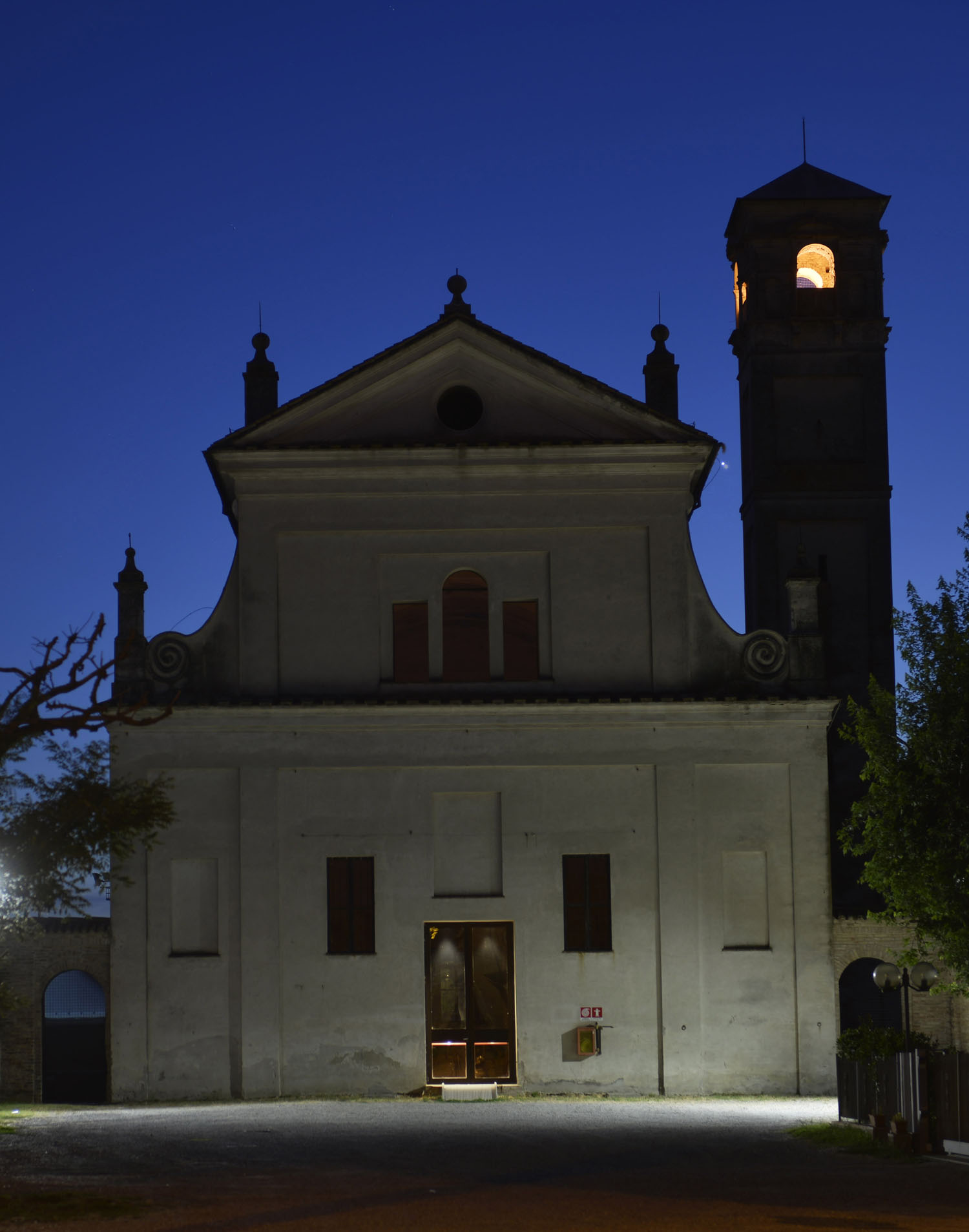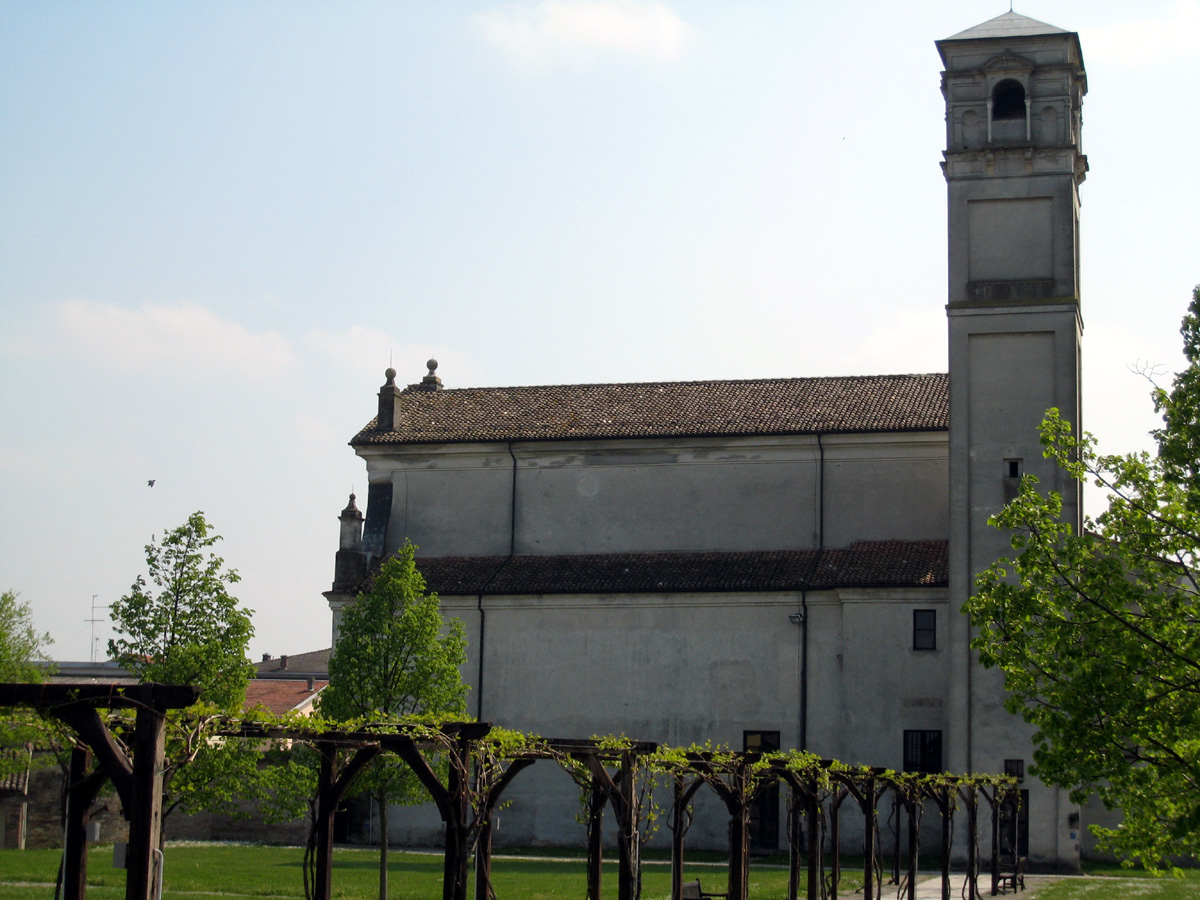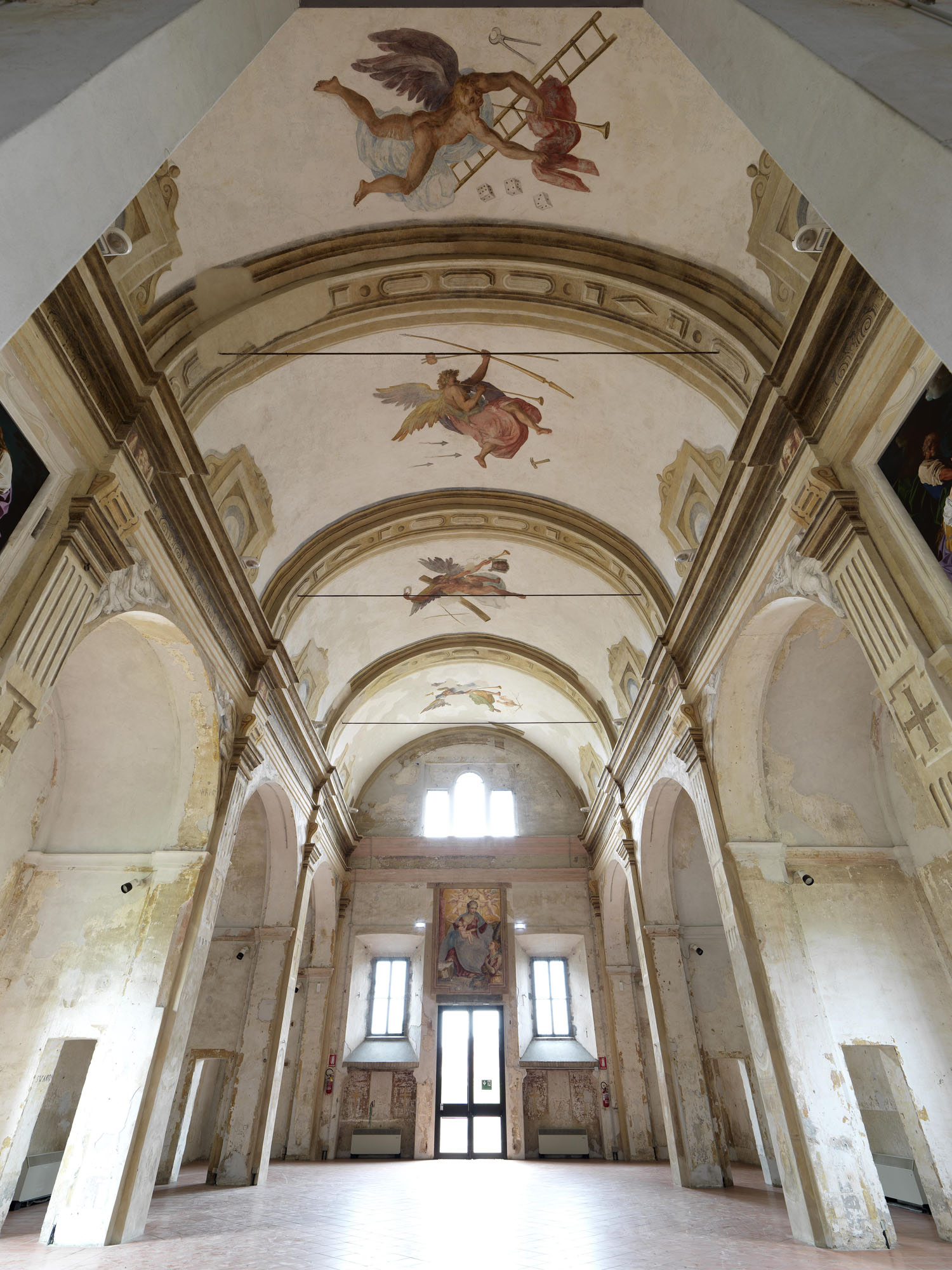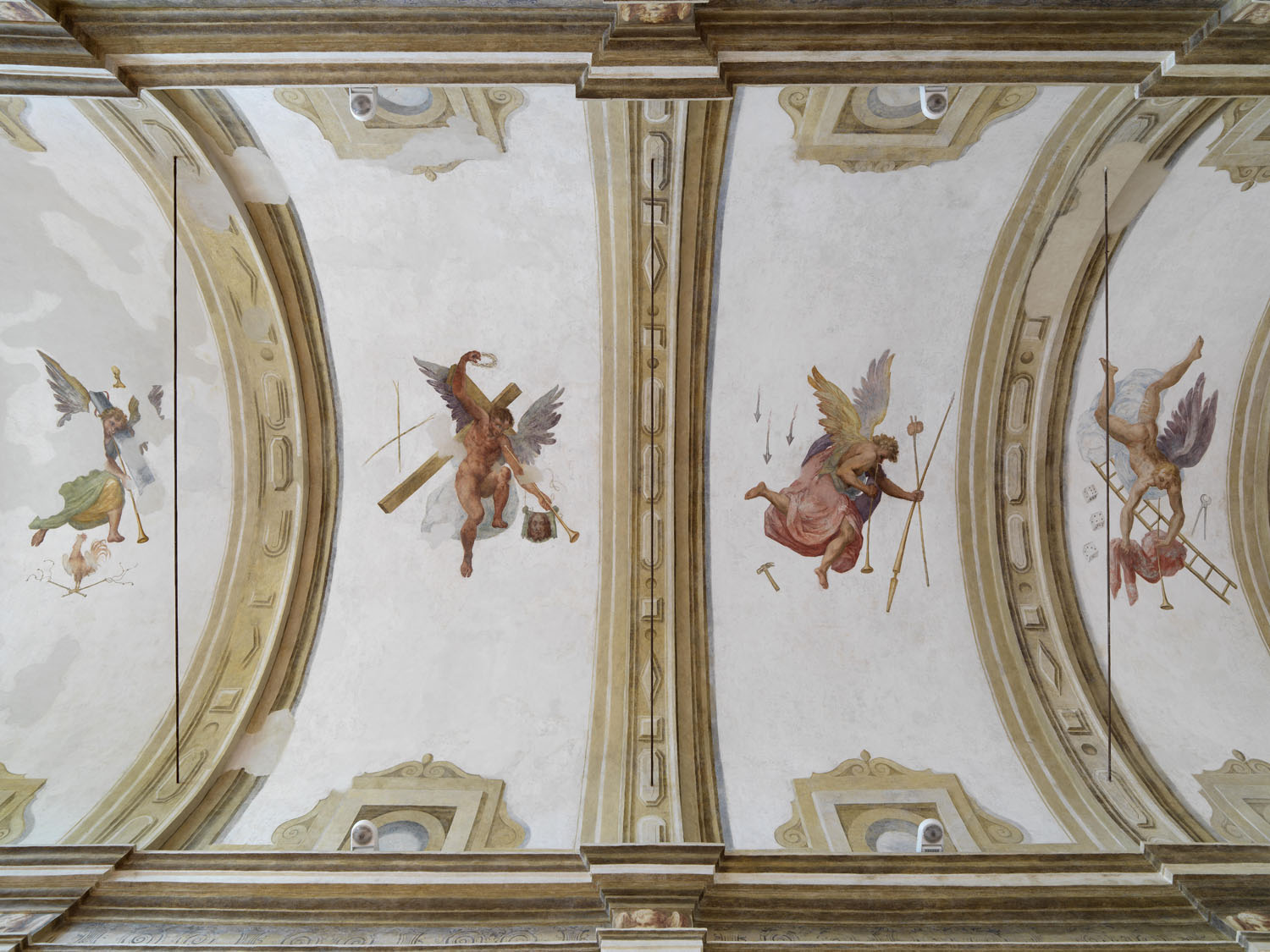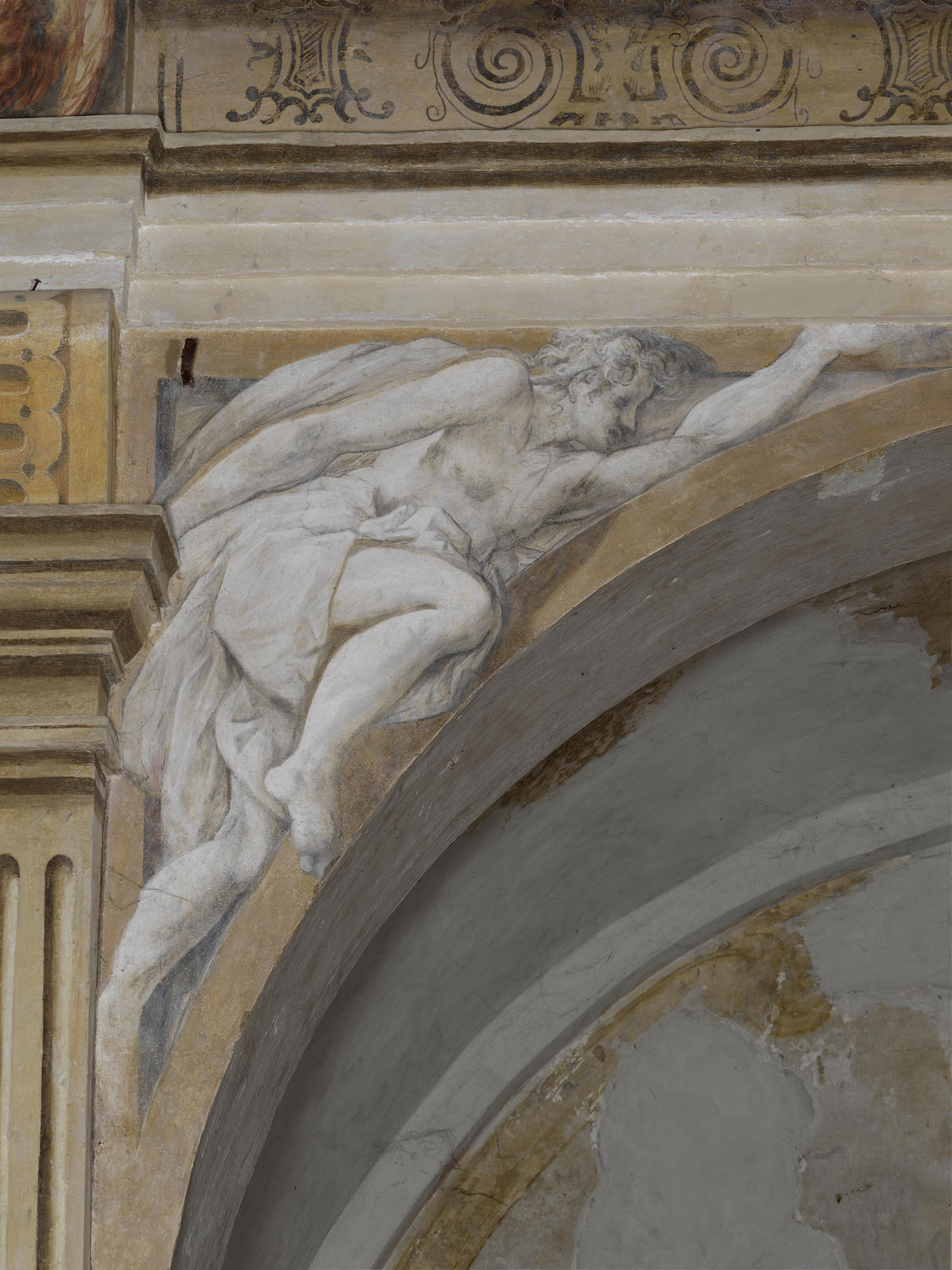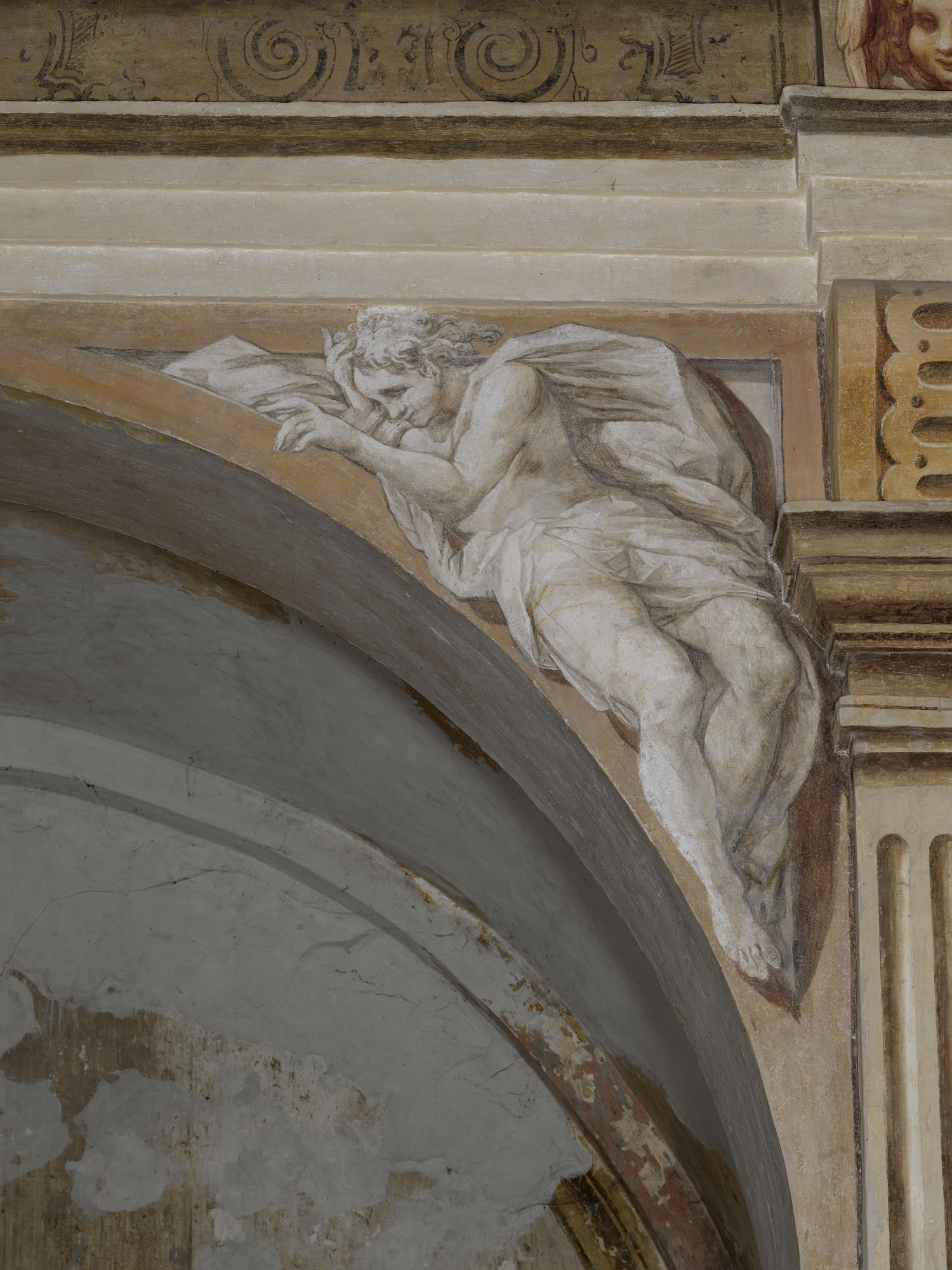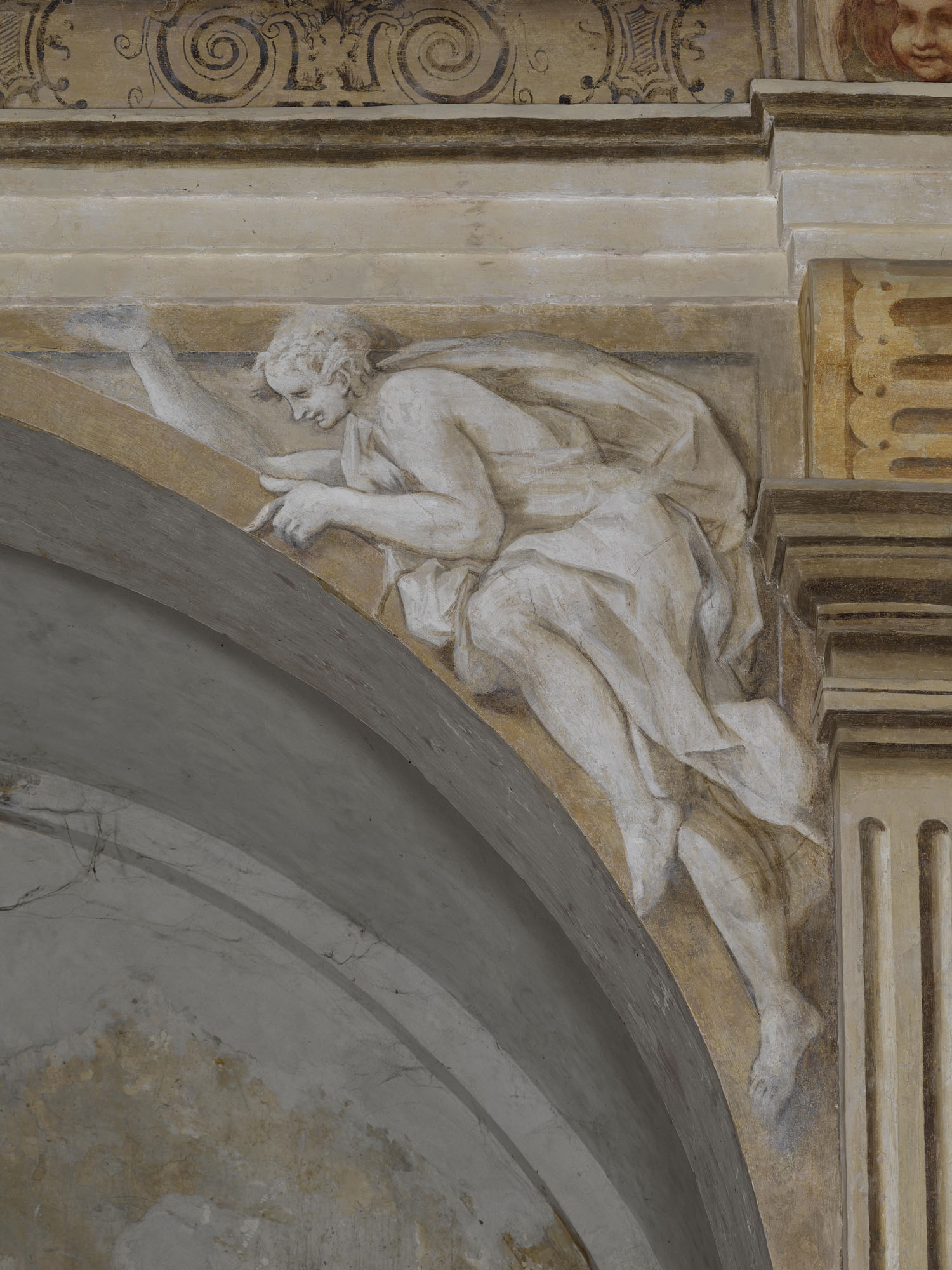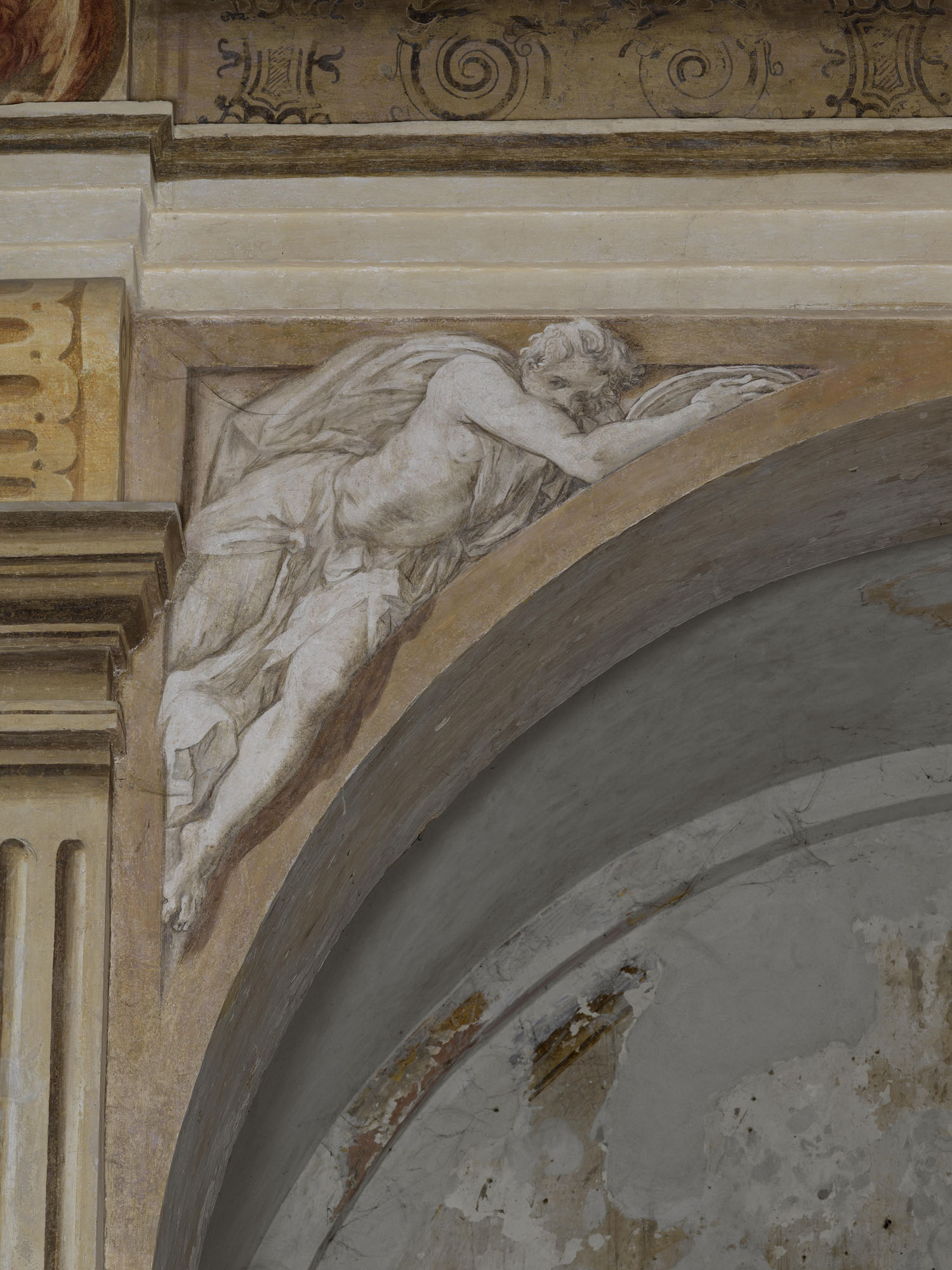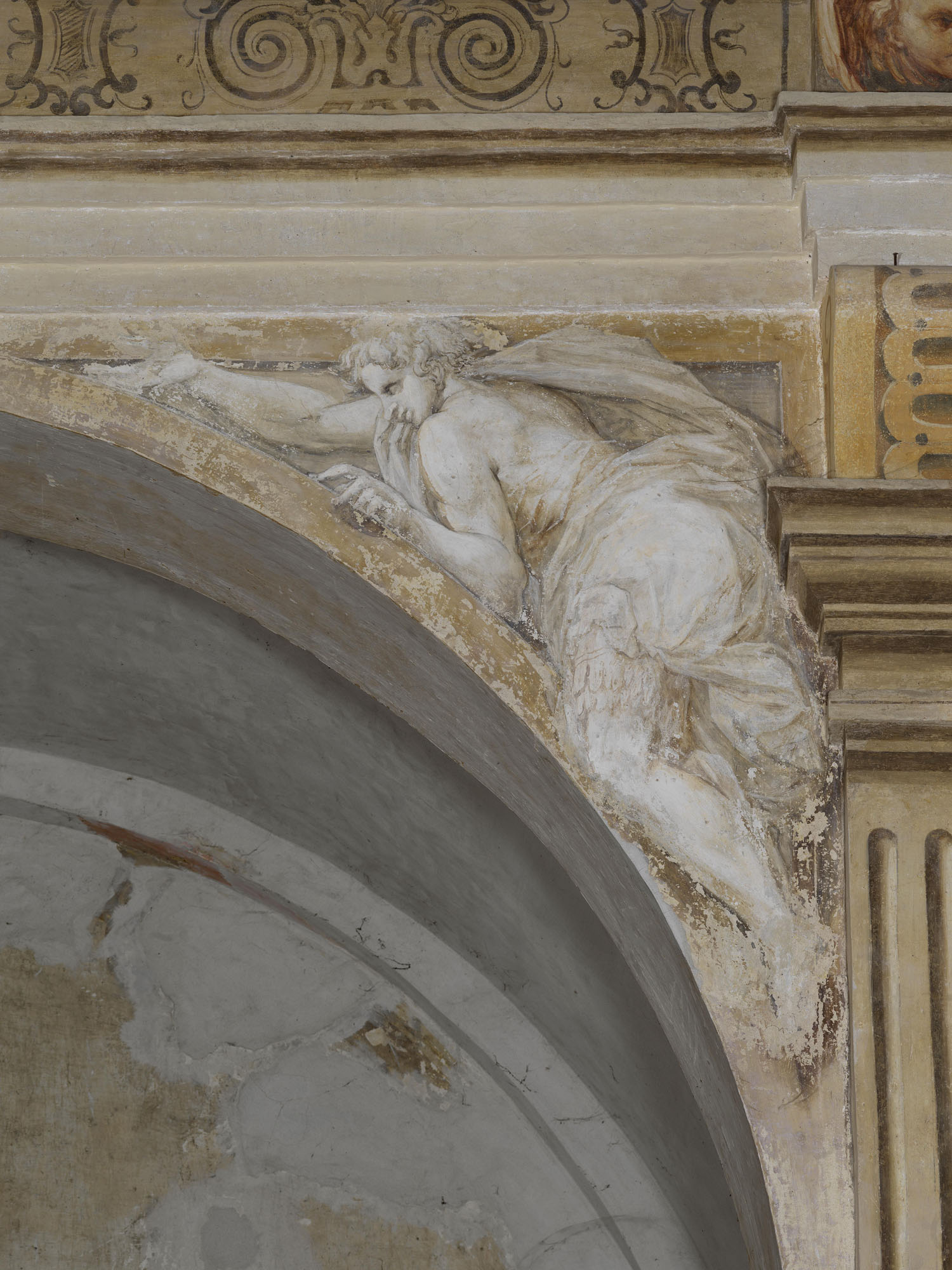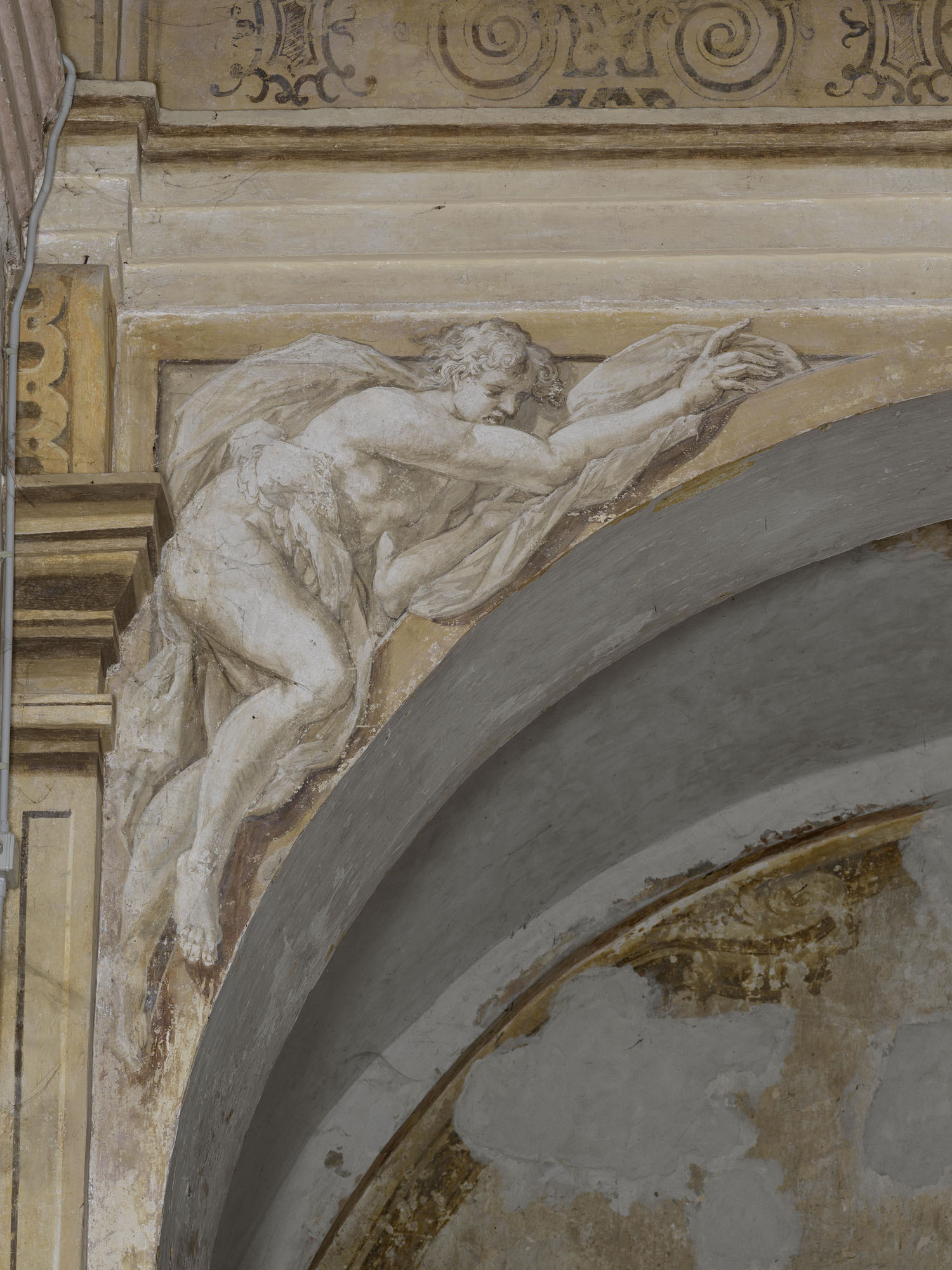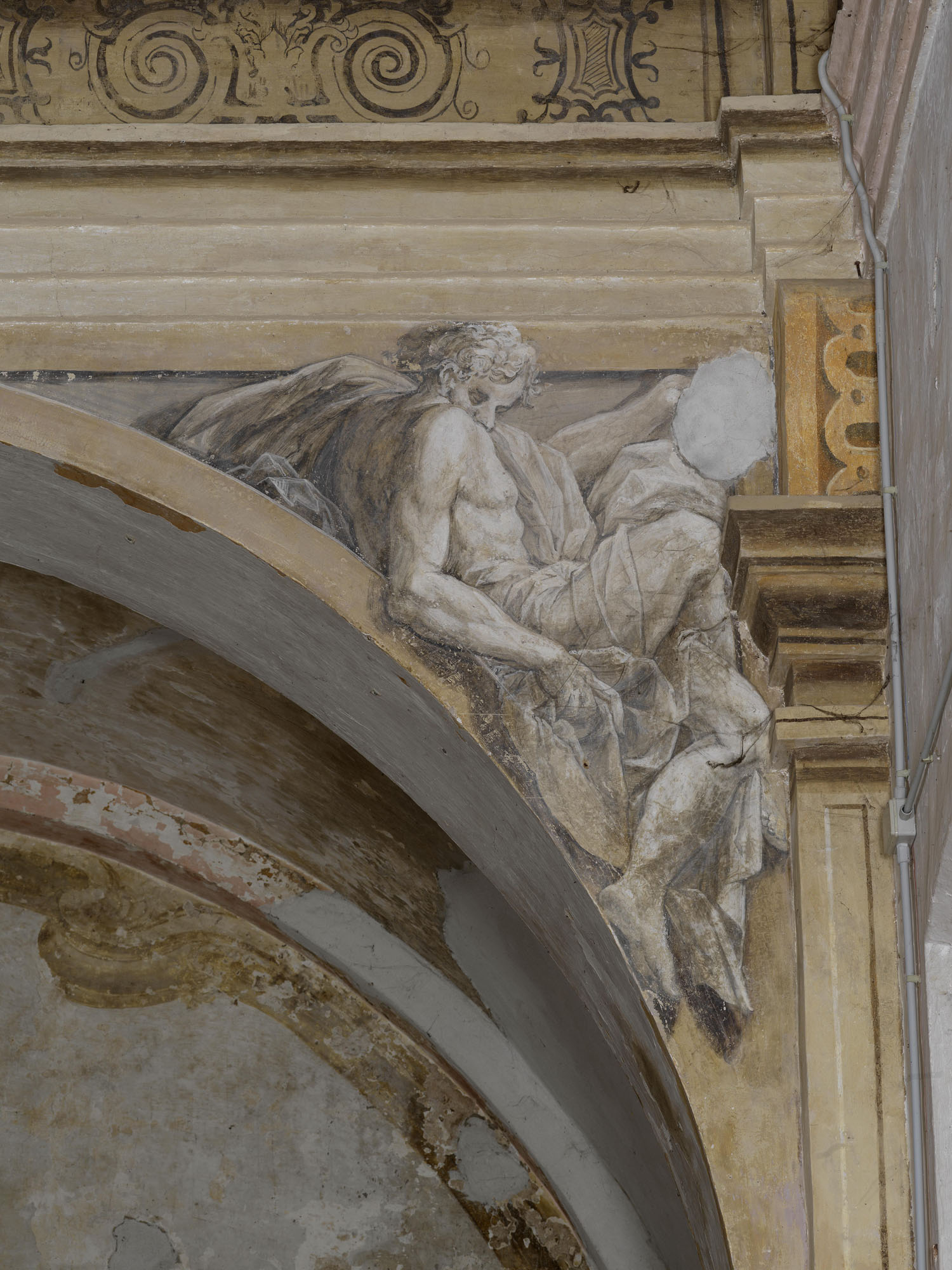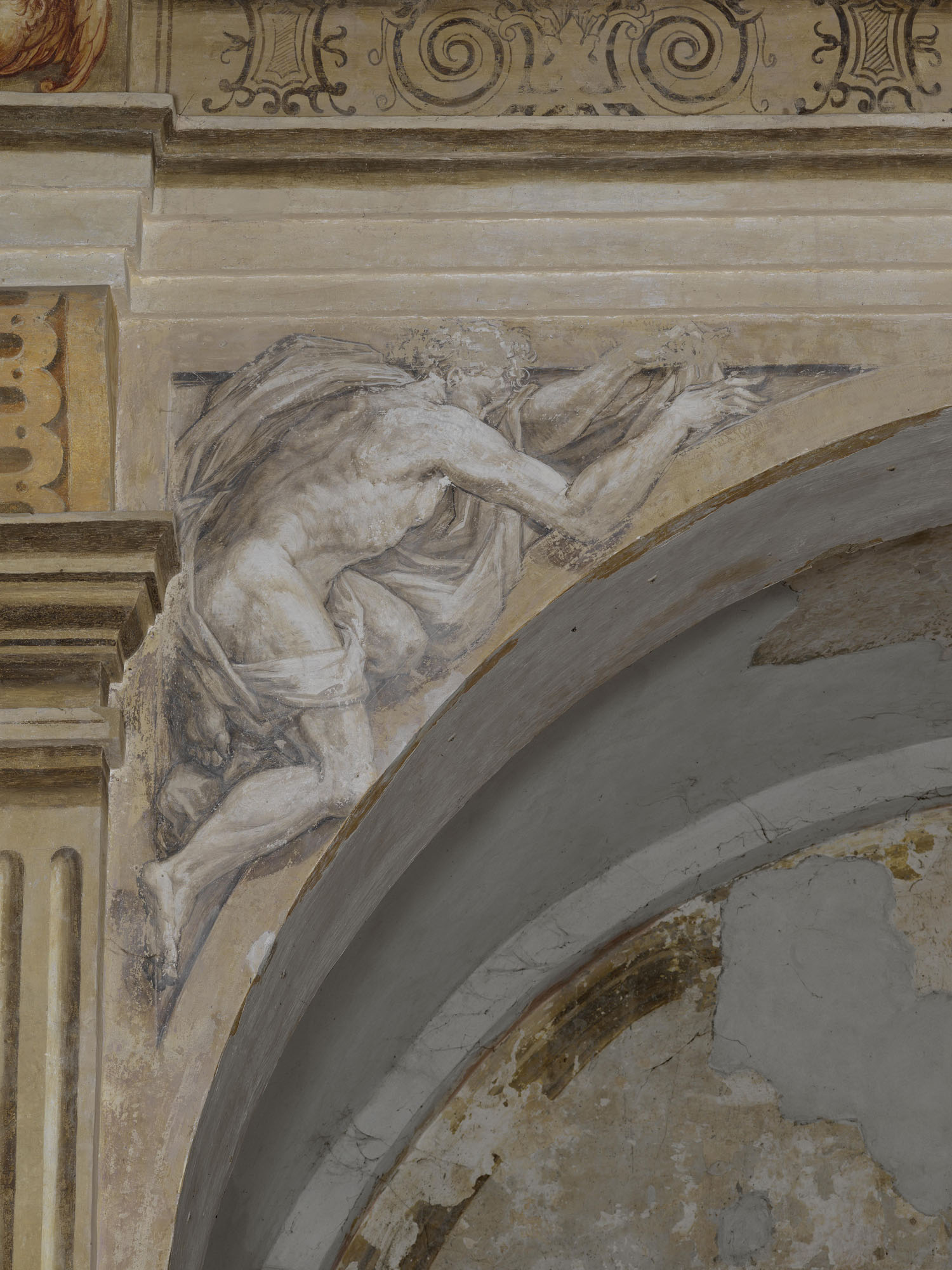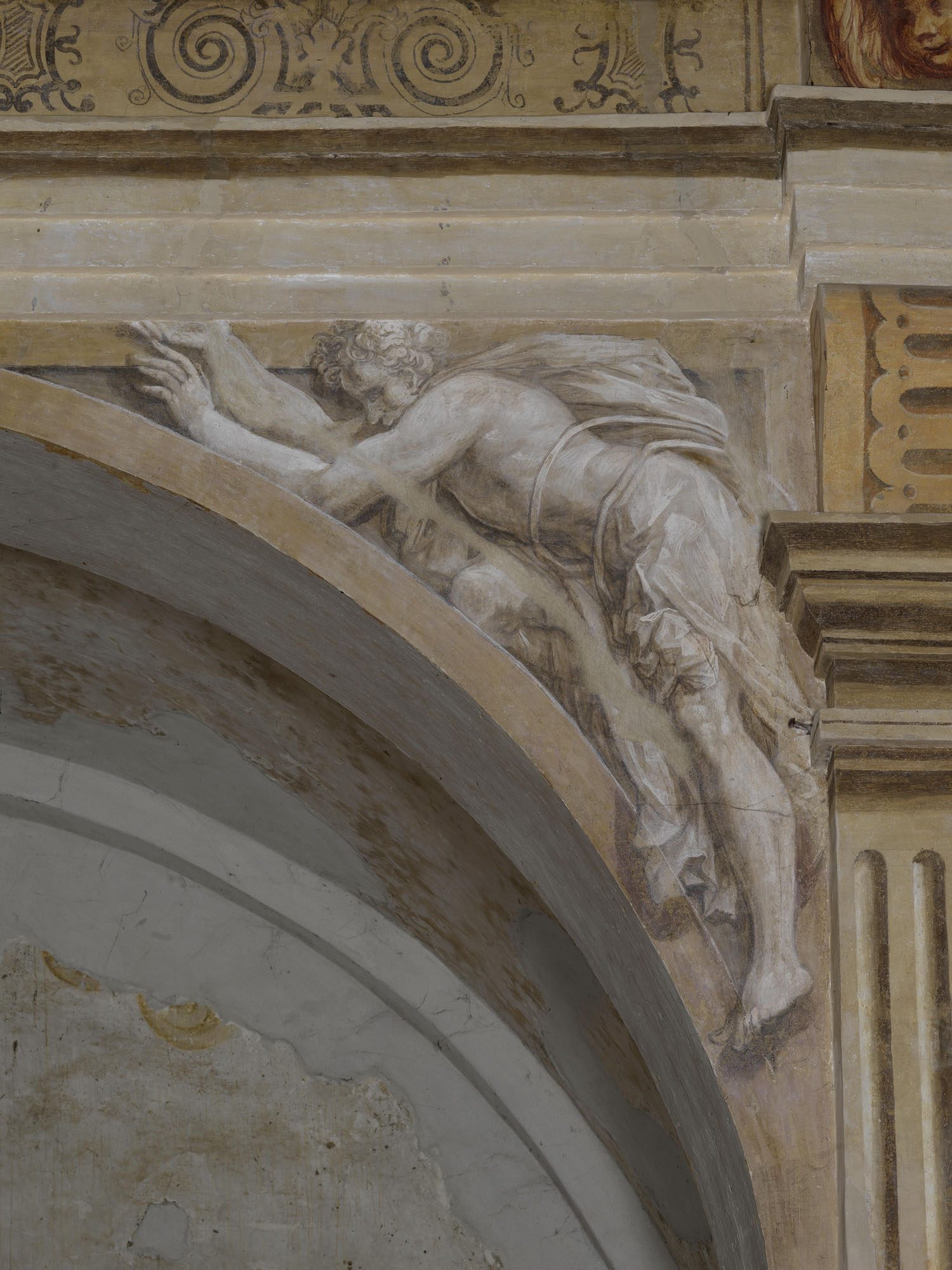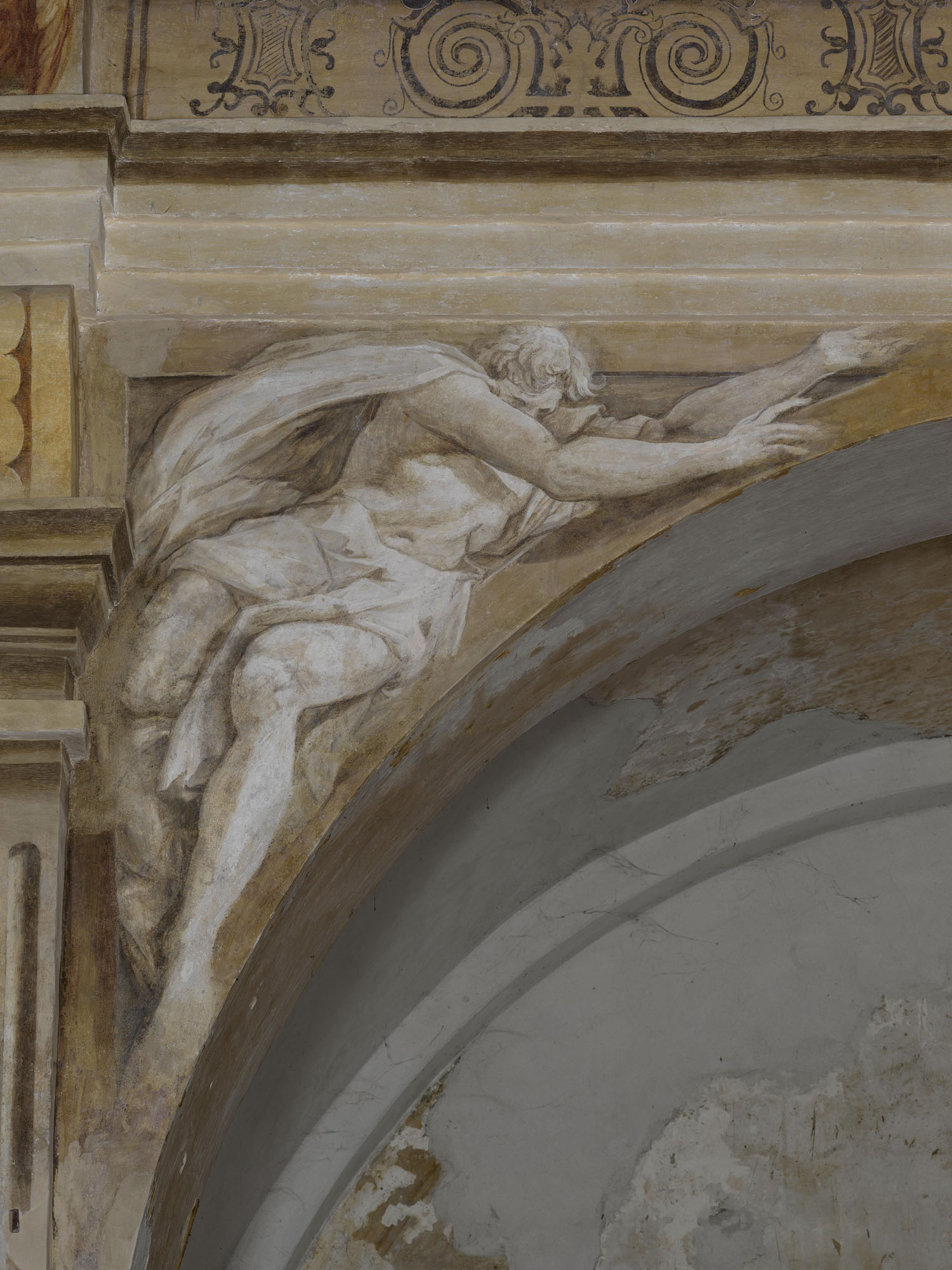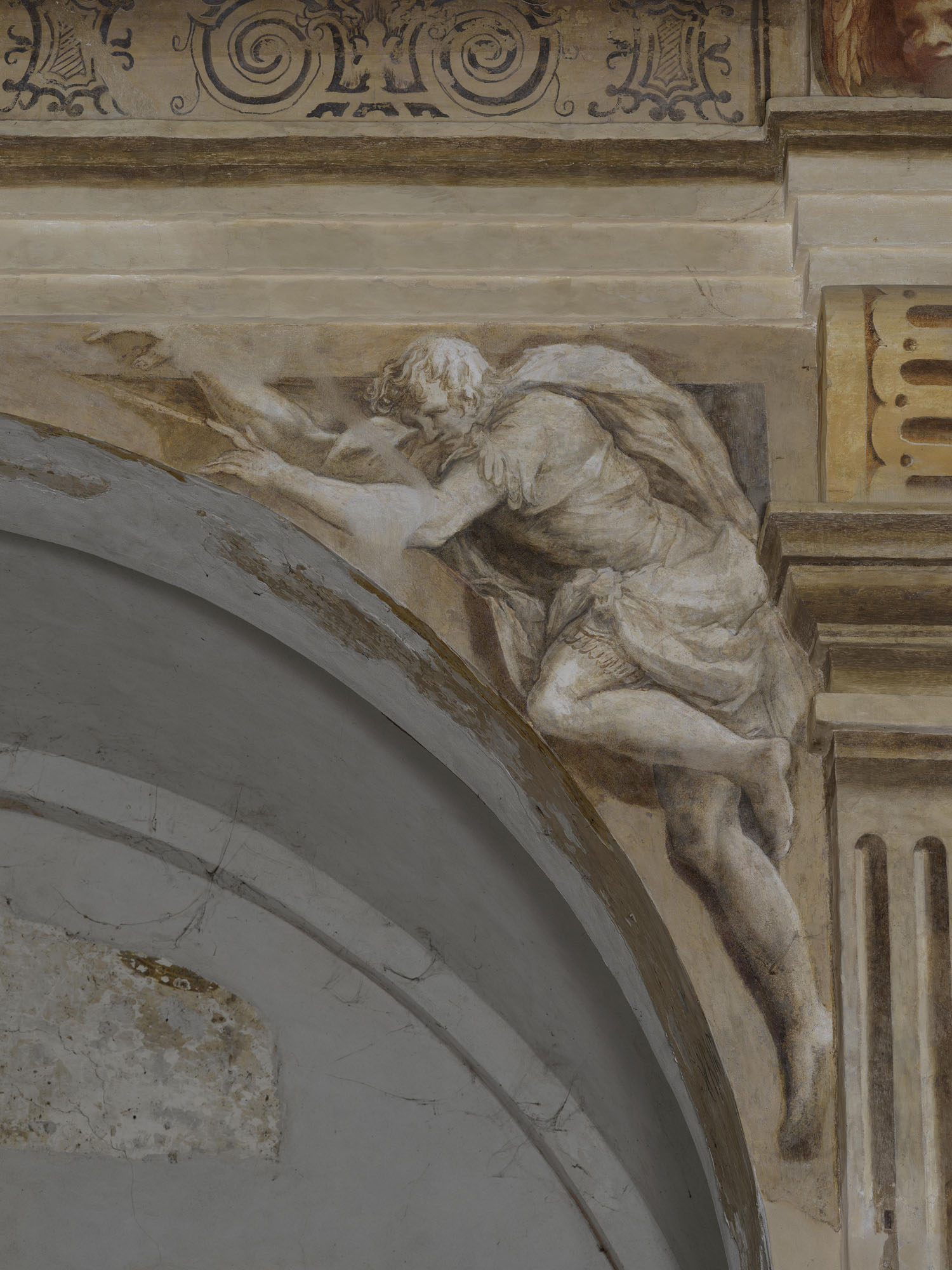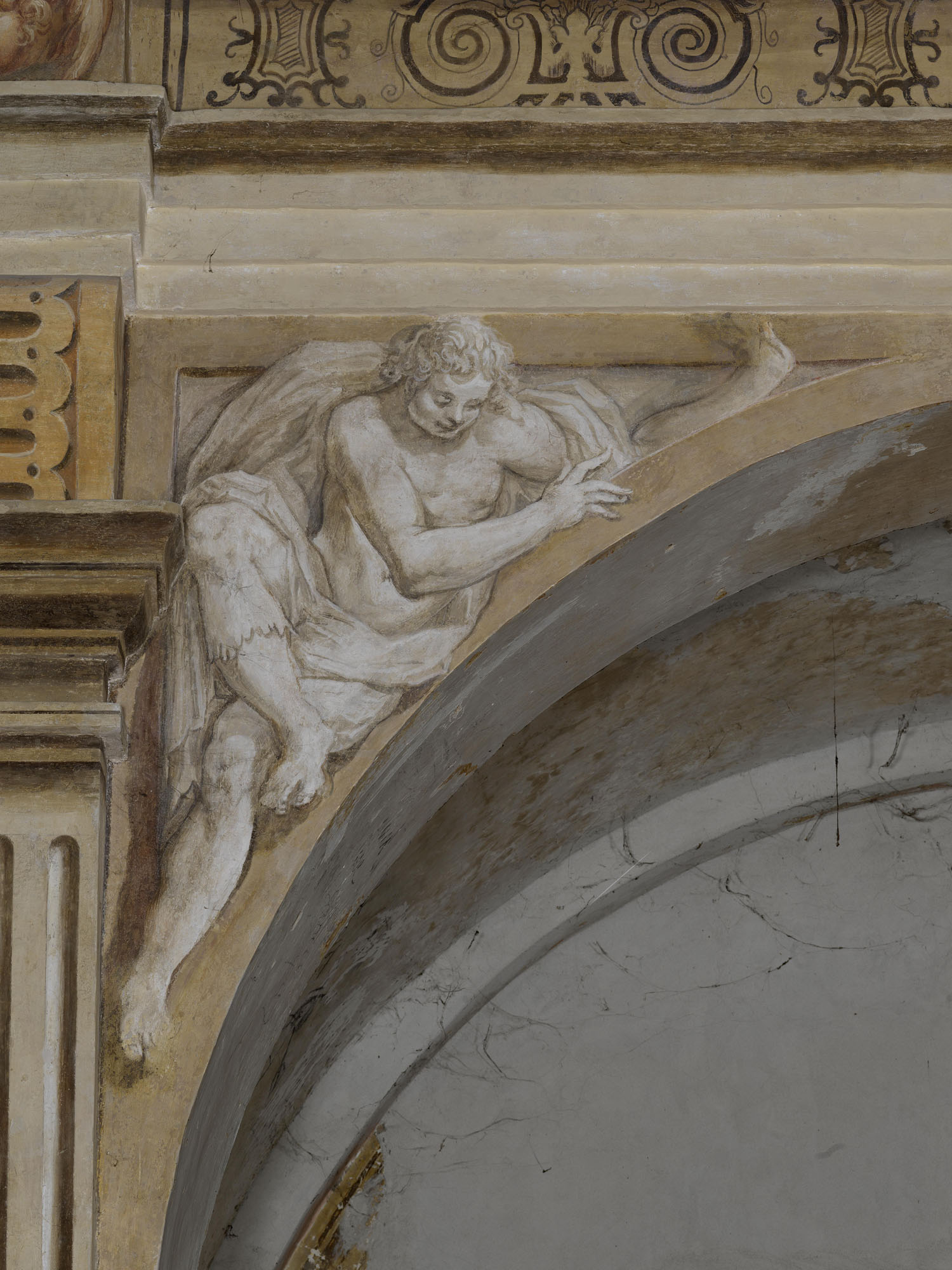
The Capuchin Church
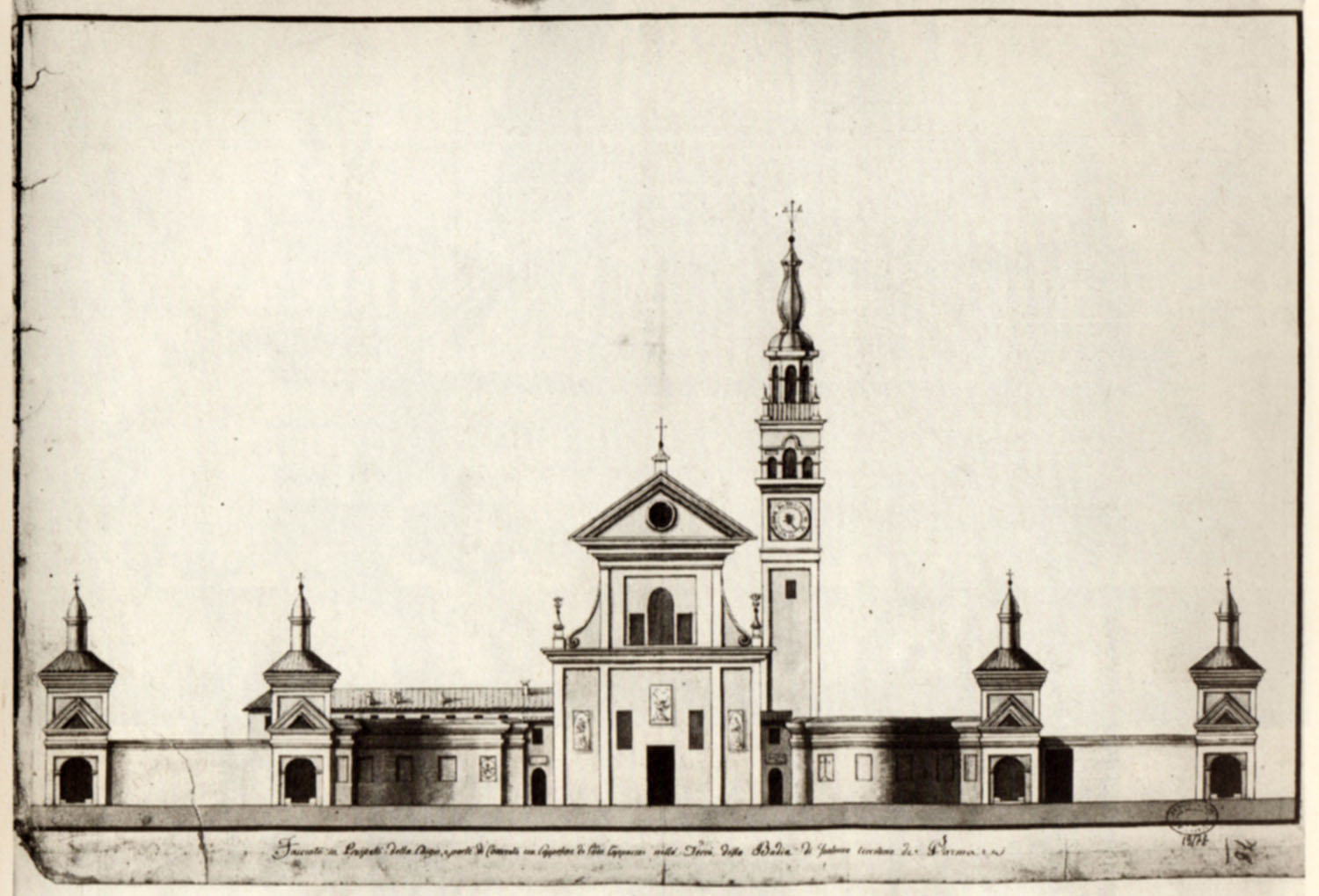
The Parmigiano-Reggiano Museum begins a new chapter in its history by moving to Fontevivo, in the spaces of the 17th-century Capuchin Church, just steps from the Cistercian Abbey. This move represents not only a new location, but a comprehensive reinterpretation of the museum, starting with the genius loci of this place, deeply rooted in the origins of Parma’s cheesemaking.
It was, in fact, the work of the Cistercian monks, including land reclamation, water management, and agricultural organization, that created the conditions that allowed the development of Parmigiano-Reggiano production in the Middle Ages. The new museum is born precisely from this connection between product, landscape, and history, transforming the visit into an immersive narrative that explores the territory, work, spirituality, material culture, and innovation.
Inside the Capuchin Church, the new exhibition brings together over 150 historical objects, including a curious collection of graters, period images, documents, work tools, and immersive digital installations. Visitors can listen to the words of famous people who particularly loved the King of Cheeses. The exhibition takes visitors through all stages of the production chain: from the fields to the stables, from the milk transport to the cheesemaking process, from the creation of the cheese to the maturing process, from marketing to the contemporary construction of quality, and finally through gastronomy.
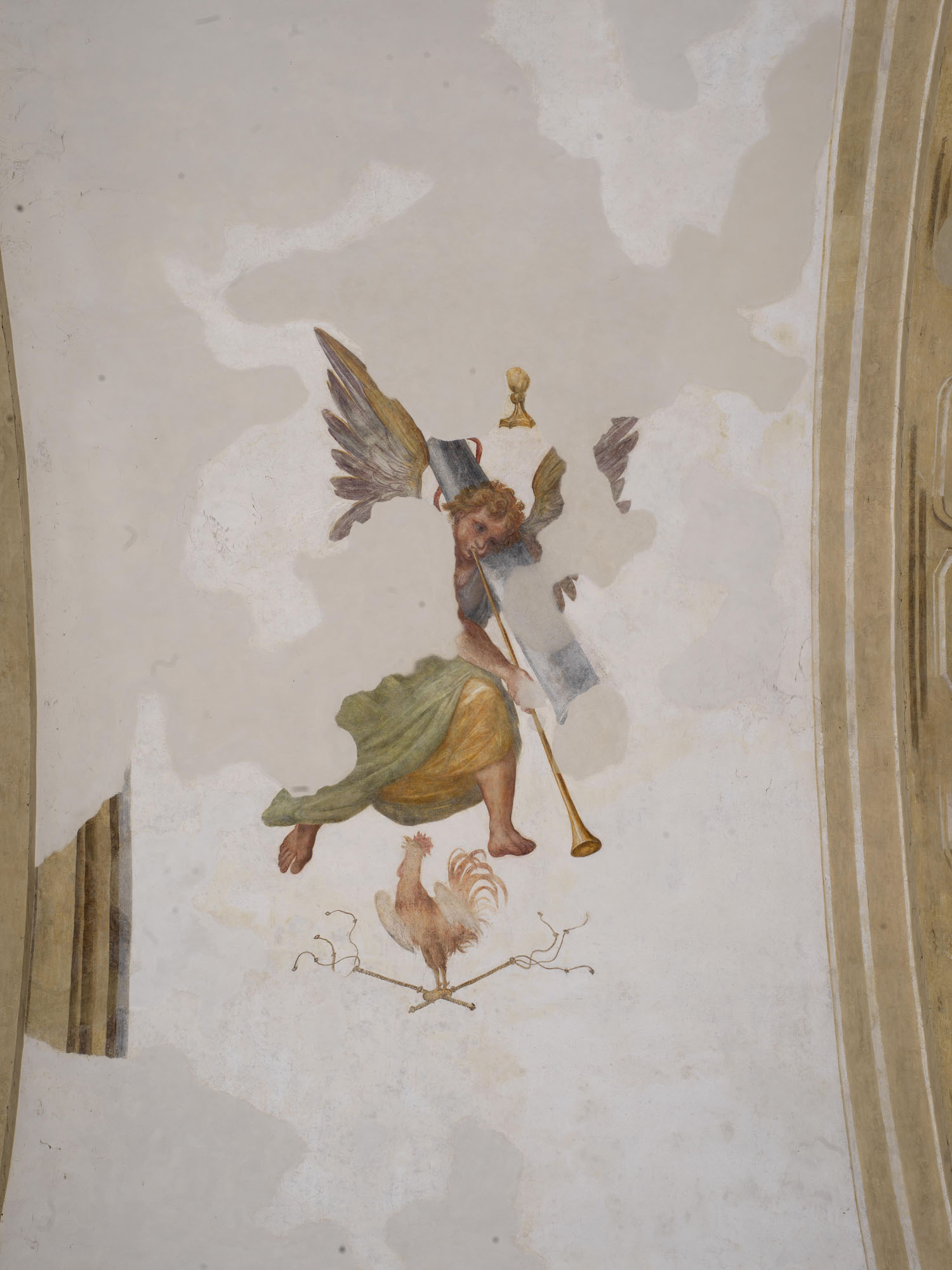
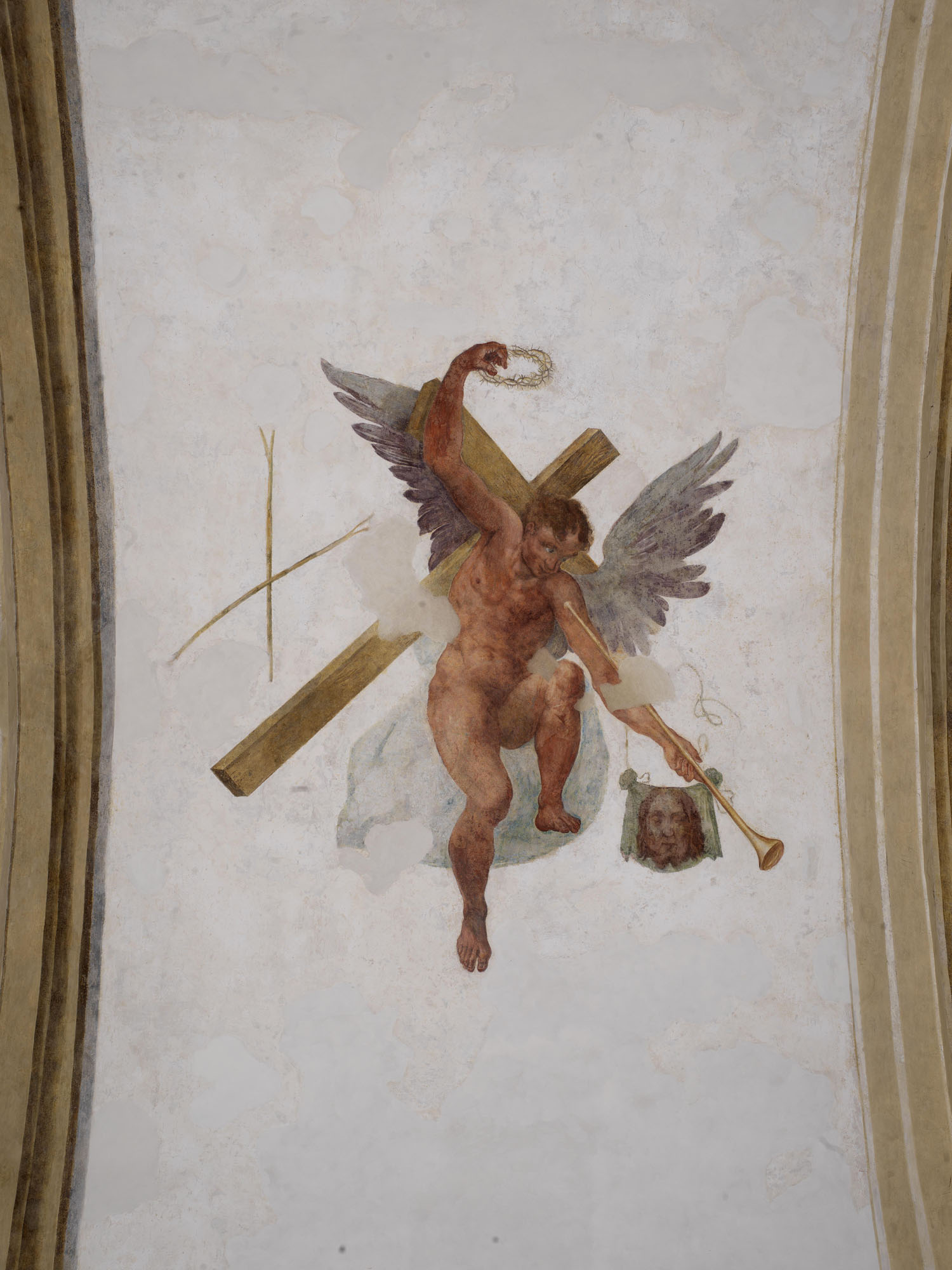
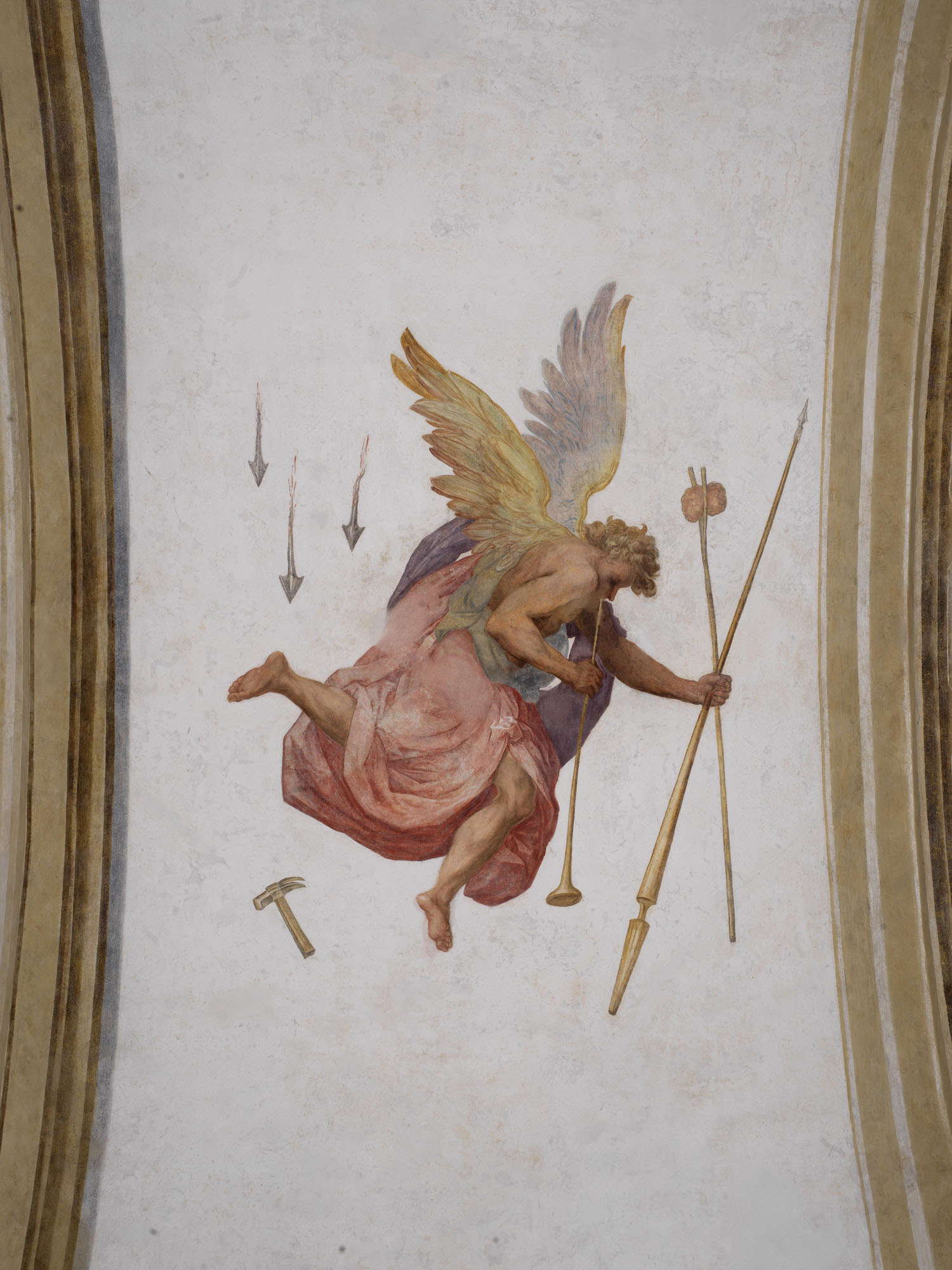
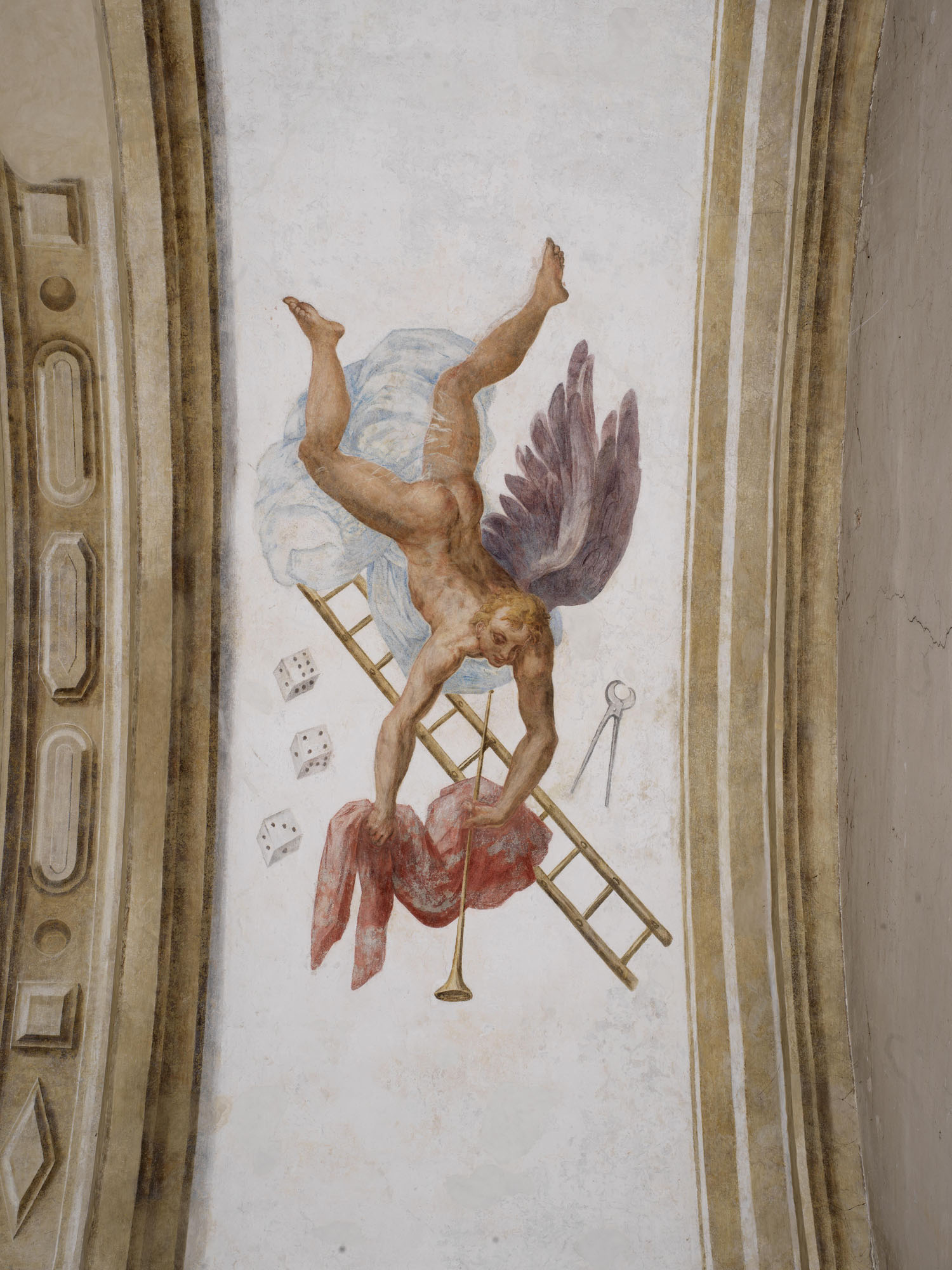
The church’s side chapels articulate the museum’s various narrative sections, while the apse houses the ancient copper cauldrons used to prepare cheese. A large immersive video projection brings together images and gestures of cheesemaking past and present, intertwining historical memory and new contemporary languages.
The museum is designed as a space to be experienced slowly, combining interactivity, cultural exploration, and sensory experience. Alongside the exhibition, there will be guided tastings, educational workshops, family activities, and in-depth explorations of the local food and production culture, further enhancing the experience of discovery.
A member of the Parma Province Food Museums network, the new Parmigiano Reggiano Museum thus becomes a privileged gateway to the Food Valley: a place where the story of cheese intertwines with abbeys, castles, rural landscapes, dairies, and stories of communities that have defined the identity of this area for centuries.